
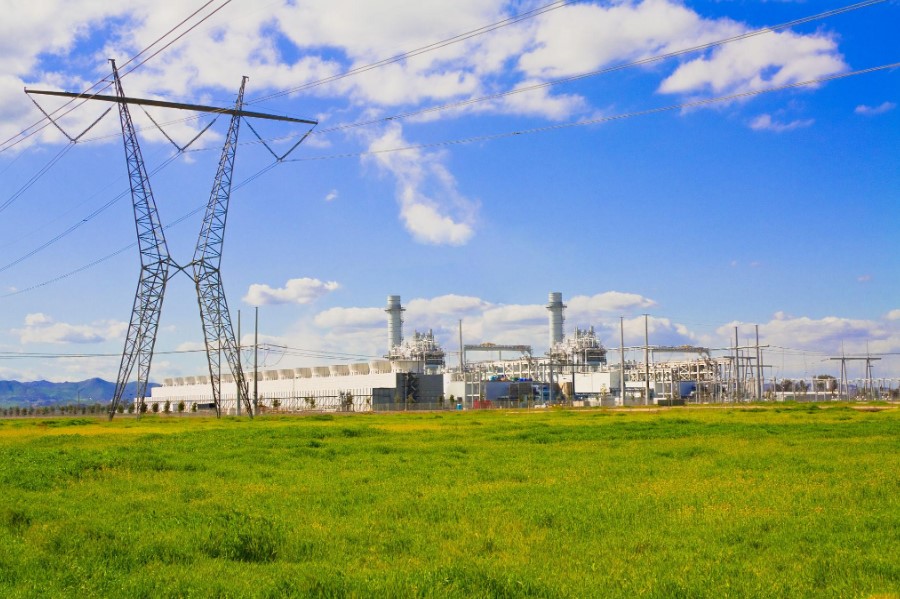



Natural gas prices can influence electricity costs in Colorado because natural gas-fired power plants are an important part of the state’s electricity generation mix. When natural gas becomes more expensive, the cost of producing electricity may also increase, potentially affecting utility energy costs. However, electricity rates depend on several other factors, including grid infrastructure, energy demand, weather, and utility rate adjustments. Energy Advantage Roofing & Solar helps Colorado homeowners understand changing energy costs and explore solar and battery solutions that may reduce their reliance on purchased electricity.
How Does Natural Gas Generate Electricity?
Natural gas is used in power plants to produce electricity through a process involving heat and mechanical energy. In a gas-fired power plant, natural gas is burned to produce hot gases that drive a turbine connected to an electricity generator. Some facilities use combined-cycle technology, which captures heat from the initial process to produce additional electricity.
Natural gas plays an important role in electricity generation because gas-fired plants can respond to changes in demand. Utilities may use them to supply electricity when consumption increases or when other generation sources, such as wind and solar, are producing less power.
This flexibility makes natural gas an important part of Colorado’s electricity supply. According to the U.S. Energy Information Administration (EIA), natural gas was Colorado’s primary electricity generation source in its 2024 state electricity profile. The state’s generation mix has continued to include substantial renewable and coal resources as well.
Why Do Natural Gas Prices Affect Colorado Electricity Rates?
Natural gas prices can influence electricity rates because fuel is one of the operating expenses involved in generating power. When natural gas becomes more expensive, power plants that rely on it may face higher production costs.
Natural gas is not the only fuel market that can influence household energy expenses. Changes in global oil markets can also affect transportation and fuel costs across Colorado. Read our guide on Why Are Gas Prices Rising in Colorado? Understanding Iran and Oil Prices to understand how international developments can influence local gasoline prices.
The connection generally works like this:
- Natural gas prices increase in regional or national markets.
- Power generators may pay more to purchase the fuel they need.
- The cost of producing electricity from natural gas can rise.
- Depending on market conditions and utility rate structures, some of those costs may be reflected in electricity prices.
- Customers may see an impact through applicable utility adjustments or future rate changes.
The reverse can also happen. When natural gas prices fall, the cost of generating electricity at gas-fired plants may decrease.
However, this relationship is not automatic. Utilities may use long-term contracts, fuel hedging, and different electricity generation sources to manage changes in fuel costs. The timing and amount of any customer impact depend on the utility’s purchasing arrangements and approved rate structure.
The EIA explains that fuel prices, power plant expenses, grid infrastructure, weather, and regulations all influence electricity prices.
How Much Does Colorado Depend on Natural Gas for Electricity?
Colorado uses a combination of natural gas, coal, wind, solar, and other energy resources to generate electricity. Natural gas remains significant, but it is not the state’s only source of power.
The EIA’s 2024 Colorado Electricity Profile identifies natural gas as the state’s primary energy source for electricity generation. Its broader 2025 Colorado overview also reports that renewable sources accounted for 45% of the state’s in-state electricity generation, with wind representing approximately 64% of renewable generation. Coal-fired plants accounted for about 24% of in-state generation in 2025.
These figures show why natural gas prices matter, while also demonstrating why they cannot explain every movement in electricity rates.
When wind and solar resources produce more electricity, utilities may need less generation from fuel-based power plants at certain times. When renewable output is lower or electricity demand increases, other resources may be needed to help maintain supply. The mix changes with weather, demand, plant availability, and utility planning.
How Do Natural Gas Price Changes Affect Xcel Energy Customers?
For many Colorado homeowners, Xcel Energy is an important part of the local electricity market. The company uses an Electric Commodity Adjustment (ECA) to reflect changes in the cost of energy used to supply electricity.
Xcel adjusts this factor quarterly. This means the electricity commodity portion of a customer’s bill can change from one quarter to another as energy supply costs change. The ECA is not a direct measurement of natural gas prices alone. It reflects broader energy costs used to provide electric service.
For example, Xcel’s published residential ECA factor for the fourth quarter of 2026 is $0.02520 per kilowatt-hour, compared with $0.03012 per kilowatt-hour in the third quarter. The company’s published example for a residential customer using 601 kWh shows an average bill change from $101.96 to $98.89, a decrease of approximately 3.01%.
This example illustrates that electricity commodity adjustments can decrease as well as increase. It does not mean that every customer’s bill will change by the same amount, because actual bills depend on electricity usage, rate schedules, and other charges.
Homeowners should also distinguish between their natural gas and electricity bills. A change in the price of natural gas used for home heating does not automatically represent the same change in the electricity commodity adjustment.
Why Don’t Electricity Bills Always Fall When Natural Gas Prices Decrease?
Lower natural gas prices can help reduce the cost of electricity generation, but they do not guarantee lower household bills.
Electricity rates include more than the fuel used by power plants. Utilities also need to maintain the systems that move electricity from generators to homes and businesses.
Several expenses can continue to influence rates even when natural gas becomes less expensive:
- Transmission infrastructure: High-voltage lines carry electricity over long distances and require maintenance and upgrades.
- Distribution networks: Local power lines, transformers, and other equipment deliver electricity to individual properties.
- Power plant operations: Generating facilities require maintenance, staffing, repairs, and ongoing investment.
- Electricity demand: Higher demand can require additional generation resources and grid capacity.
- Renewable energy integration: New transmission and supporting infrastructure may be needed to connect wind and solar resources to the grid.
- Regulatory decisions: Utility rates and adjustments are subject to applicable regulatory processes and approvals.
Colorado Legislative Council Staff identifies fuel prices, grid upgrades, equipment costs, new generation resources, and changing electricity demand among the factors influencing energy prices in the state. Its analysis also notes that no single factor explains all electricity price increases.
As a result, a decline in natural gas prices may reduce one part of the cost of supplying electricity while other expenses remain unchanged or increase.
What Other Factors Influence Colorado Electricity Rates?
Natural gas prices are important, but Colorado homeowners should consider several additional influences when reviewing their electricity bills.
- Weather and seasonal demand: Hot summers can increase air-conditioning use, while cold weather can raise electricity demand in homes that rely on electric heating. Higher demand can place additional pressure on available generation resources.
- Renewable energy production: Wind and solar contribute to Colorado’s electricity supply. Their output varies with weather and time of day, which can affect how utilities balance different generation sources.
- Grid infrastructure investments: Transmission lines, substations, transformers, and distribution equipment require ongoing maintenance and expansion. These investments can influence the costs utilities seek to recover through approved rates.
- Regional fuel markets: Natural gas supply, transportation constraints, storage levels, and weather conditions can influence fuel prices. These changes may affect the cost of operating gas-fired power plants.
- Growing electricity consumption: Population growth, commercial development, electric vehicles, and building electrification can increase demand for electricity and require additional resources.
Understanding these factors gives homeowners a more complete picture of why utility rates change over time.
Can Solar Energy Help Colorado Homeowners Reduce Exposure to Rising Electricity Costs?
Although homeowners cannot control natural gas market prices or utility rate decisions, they can explore ways to reduce the amount of electricity they purchase from the grid.
A residential solar system generates electricity using sunlight. When the system produces power that a home can use, it can reduce the amount of electricity the household needs to purchase from its utility. The potential benefit depends on system size, roof conditions, household consumption, sunlight exposure, and the utility’s applicable billing and compensation rules.
Solar panels do not eliminate every electricity charge, and they do not protect homeowners from changes in natural gas prices for gas-powered heating or other direct fuel expenses.
Battery storage can provide another option. A compatible battery system stores some of the electricity generated by solar panels for use later, such as during evening hours. Depending on the system configuration, it may also provide backup power during an outage.
Homeowners interested in these options can explore residential solar installation services and battery storage solutions to understand how these systems may fit their property’s energy needs.
What Can Colorado Homeowners Do to Manage Changing Energy Costs?
While market conditions and utility rates are outside a homeowner’s direct control, everyday energy decisions can influence household electricity consumption.
Practical steps include:
- Review monthly electricity bills to understand usage patterns and seasonal changes.
- Identify appliances and equipment that consume significant electricity.
- Improve insulation and seal air leaks to reduce heating and cooling demand.
- Use energy-efficient lighting and appliances where practical.
- Adjust heating and cooling settings based on comfort and household needs.
- Explore whether solar panels are suitable for the property’s roof and electricity consumption.
- Consider battery storage if using more self-generated solar power or having backup electricity is a priority.
It is also useful to compare bills across different seasons rather than judging energy costs from a single month. A higher bill may reflect increased usage, a rate adjustment, or a combination of both.
Understand Your Colorado Energy Options With Energy Advantage Roofing & Solar
Understanding how natural gas prices influence electricity rates is one part of making informed household energy decisions. Homeowners can also look at their property’s electricity consumption, available roof space, and opportunities to generate power on-site.
Energy Advantage Roofing & Solar helps Colorado homeowners explore residential solar and battery storage options. Evaluating your energy usage and property conditions can help determine whether a solar installation or battery system is a practical fit.
You can also explore home energy solutions to learn more about ways to improve your property’s energy setup.
Take Control of Your Home’s Energy Future in Colorado
Natural gas prices can influence Colorado electricity rates because gas-fired power plants contribute to the state’s electricity supply. When fuel costs increase, electricity generation can become more expensive. However, the final amount homeowners pay also depends on utility adjustments, grid infrastructure, electricity demand, weather, and the availability of other energy sources.
Although homeowners cannot control fuel markets or utility rate decisions, they can take steps to understand and manage their electricity consumption. Solar panels and battery storage may offer additional ways to reduce reliance on purchased grid electricity, depending on individual energy needs and utility rules.
Contact us today to explore ways to manage your home’s energy use and learn whether solar panels or battery storage could be a suitable option. Energy Advantage Roofing & Solar can help Colorado homeowners understand their options and make informed decisions about their energy needs.
Frequently Asked Questions
1. How do natural gas prices affect Colorado electricity rates?
Natural gas is used by power plants to generate electricity. When natural gas prices rise, the cost of operating these facilities may increase, potentially influencing electricity prices and utility adjustments.
2. Does Colorado use natural gas to generate electricity?
Yes. Natural gas is an important source of electricity generation in Colorado. However, the state also uses wind, solar, coal, and other energy resources to supply electricity.
3. Do higher natural gas prices automatically increase electricity bills?
No. Higher natural gas prices can increase electricity generation costs, but the effect on household bills depends on utility contracts, fuel-cost adjustments, electricity demand, and other operating expenses.
4. Will lower natural gas prices reduce electricity rates in Colorado?
Lower natural gas prices may reduce the fuel costs of gas-fired power plants. However, electricity bills may not decrease immediately because infrastructure expenses, maintenance costs, demand, and other rate components also influence the final amount.
5. Can solar panels help homeowners manage rising electricity costs?
Solar panels allow homeowners to generate electricity on their properties, potentially reducing the amount of electricity they purchase from the utility. The benefits depend on system production, household consumption, and utility billing policies.
6. Can battery storage help reduce dependence on grid electricity?
Battery storage can store excess electricity generated by solar panels for use later, including during evening hours. Depending on the configuration, it can also provide backup power during outages.