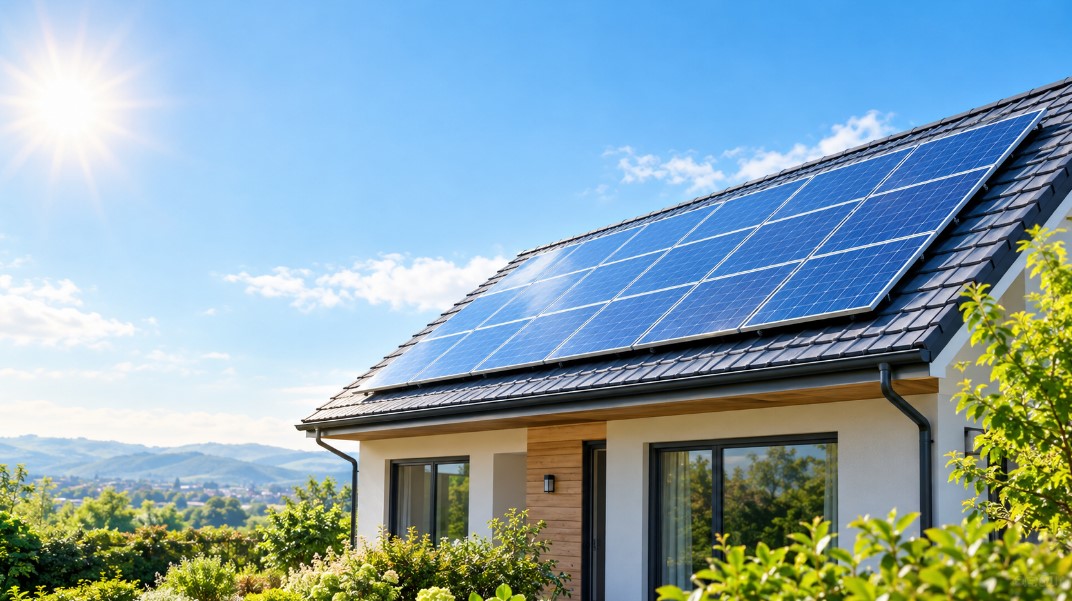
The sun has always been a source of light, warmth, and life. Today, it also represents an opportunity to create a cleaner and more sustainable energy future. As more homeowners explore renewable energy, solar power continues to inspire conversations about innovation, independence, and environmental responsibility.
At Energy Advantage Roofing & Solar, we believe that understanding the value of solar energy starts with recognising its potential. From reducing dependence on traditional electricity sources to supporting a healthier environment, solar technology offers plenty of reasons to feel optimistic about the future.
Sometimes, a few meaningful words can explain an idea better than a lengthy discussion. Inspirational quotes from inventors, environmental thinkers, and influential voices remind us why clean energy matters and why making thoughtful energy choices can create a lasting difference.
Here are 10 inspiring quotes about solar energy, along with what they mean for homeowners and the future of renewable power.
1. Thomas Edison on the Unlimited Potential of Natural Energy
A reminder to look beyond traditional energy sources
“I’d put my money on the sun and solar energy. What a source of power!”
This famous statement attributed to Thomas Edison reflects an idea that remains relevant today. Edison recognised the potential of natural energy sources at a time when society depended heavily on conventional fuels.
Solar technology has developed considerably since his lifetime, making it possible for homeowners to generate electricity directly from sunlight. Modern panels, inverters, and battery systems have made residential solar more practical and accessible.
What this means today:
- Sunlight provides a renewable source of energy that does not run out through everyday use.
- Solar technology allows households to generate electricity on their own properties.
- Continued innovation is improving the way solar energy is collected, stored, and used.
2. Bonnie Raitt on the Freedom of Solar Energy
A fresh perspective on energy independence
“Solar power is the last energy resource that isn’t owned yet. Nobody taxes the sun yet.”
This widely circulated quote attributed to Bonnie Raitt highlights one of the most interesting things about solar energy: sunlight is naturally available to everyone. While electricity generation and distribution involve infrastructure and regulations, the sun itself is not controlled by a traditional fuel supplier.
For homeowners, solar energy roofing offers a practical way to combine roof functionality with renewable electricity generation. By installing solar panels on a suitable roof, households can generate clean electricity while making better use of available roof space. This approach also encourages homeowners to consider roof condition, energy efficiency, and long-term sustainability when planning home improvements.
Why this idea matters:
- Homeowners can generate a portion of their electricity independently.
- Solar energy can provide greater control over household energy use.
- Battery storage can help make stored solar electricity available when sunlight is limited.
3. Björk on Working Together With Nature
A reminder that sustainable progress starts with natural resources
“Solar power, wind power, the way forward is to collaborate with nature.”
This thought, attributed to Icelandic musician Björk, captures an important principle of renewable energy. Instead of relying entirely on resources that must be extracted and burned, society can use naturally available sources such as sunlight and wind.
Solar panels are a practical example of this approach. They capture sunlight and convert it into electricity without burning fuel during operation.
For homeowners, adopting solar energy can be one way to make everyday energy consumption more environmentally conscious.
The bigger picture includes:
- Using renewable resources instead of depending entirely on fossil fuels.
- Reducing the environmental impact associated with conventional electricity generation.
- Encouraging cleaner technologies in homes and communities.
4. Ramez Naam on Meeting Future Energy Needs
Why renewable energy matters as electricity demand grows
“Solar power is going to be absolutely essential to meeting growing energy demands while staving off climate change.”
This statement attributed to author and futurist Ramez Naam connects two important challenges: increasing electricity demand and environmental sustainability.
Modern households use electricity for lighting, heating, cooling, appliances, entertainment, and increasingly, electric vehicles. As these needs grow, energy systems must adapt to provide reliable electricity while reducing environmental impacts.
Solar power can contribute to this transition by adding renewable electricity generation to homes and larger energy networks.
What homeowners can take away:
- Solar systems can help meet everyday household electricity needs.
- Battery storage can provide additional flexibility when energy demand changes.
- Efficient energy planning can support both present and future household requirements.
5. Solar Energy and the Power of Everyday Choices
Small decisions can support meaningful change
“A brighter future begins when we choose energy that works with nature.”
This original reflection highlights how individual decisions can contribute to wider environmental progress. Choosing renewable electricity for a home may seem like a small step, but many households making similar choices can support the growth of cleaner energy.
Solar power gives homeowners an opportunity to rethink where their electricity comes from and how they use it. It also encourages people to consider energy-efficient appliances, better insulation, and smarter household energy habits.
Everyday actions that support this idea:
- Explore renewable electricity options that suit your household.
- Reduce unnecessary electricity use through energy-efficient appliances.
- Consider solar panels as part of a long-term home improvement plan.
6. Solar Power as a Step Towards Energy Independence
Taking greater control of household electricity
“Energy independence starts with the power we can create at home.”
This quote represents one of the main reasons homeowners consider residential solar. Generating electricity on your roof can reduce the amount of power you need to purchase from your utility provider.
The amount of independence a solar system provides depends on its design, household electricity use, weather conditions, and available battery storage. A system connected to the grid can still rely on utility electricity when solar production is insufficient.
Battery storage adds another option by keeping some of the electricity generated during sunny hours for later use.
How homeowners can benefit:
- Generate electricity from sunlight during the day.
- Use battery storage to make some solar energy available after sunset.
- Monitor household production and consumption to understand energy habits.
7. Solar Innovation and the Future of Technology
Technology continues to make renewable energy more practical
“Innovation turns the sunlight above us into opportunities for tomorrow.”
Solar technology has progressed beyond basic rooftop panels. Modern residential systems can include advanced inverters, battery storage, monitoring applications, and smart energy management features.
These improvements help homeowners understand how much electricity their systems generate and how energy can be used more effectively. Some systems also allow homeowners to monitor production and equipment performance through a mobile application.
The U.S. Energy Information Administration reported that utility-scale solar generation reached 296,000 gigawatt-hours in 2025, an increase of 34% compared with 2024. This demonstrates how significantly solar generation is expanding.
U.S. Energy Information Administration (EIA)
Important developments include:
- More efficient solar panels that convert sunlight into electricity.
- Battery systems that provide greater flexibility in energy use.
- Smart monitoring tools that help homeowners track system performance.
- Improved inverters and equipment that support different household energy needs.
8. Solar Energy and a Cleaner Environment
A meaningful choice for environmental responsibility
“Every ray of sunlight we use is an opportunity to create cleaner energy.”
Traditional electricity generation can involve burning fossil fuels, which releases greenhouse gases. Solar photovoltaic systems generate electricity from sunlight without burning fuel during normal operation.
Although manufacturing, transporting, and installing solar equipment have environmental impacts, solar systems can help reduce the emissions associated with electricity use over their operating life.
For homeowners, switching to solar is one practical way to support cleaner energy production while meeting everyday household needs.
Why environmental responsibility matters:
- Solar electricity reduces dependence on fossil-fuel-based generation.
- Renewable energy supports efforts to lower greenhouse gas emissions.
- Residential solar adoption helps increase the use of clean electricity.
- Long-term energy planning encourages more sustainable household choices.
9. Professional Installation Makes Solar More Reliable
Good planning is just as important as good equipment
“The strength of a solar system begins with the quality of its installation.”
A solar system is a long-term home improvement, so choosing the right installation team matters. Panels need suitable placement, secure mounting, proper wiring, and correct electrical connections to perform as intended.
Experienced solar panel installers consider the roof’s age, condition, direction, available space, and surrounding shade before recommending a system. They also evaluate household electricity usage and explain which equipment best supports the property’s needs.
Homeowners should look beyond the number of panels and understand the complete installation process.
What to look for in an installation professional:
- Experience with residential solar installations and different roof types.
- Appropriate licences, insurance, and relevant industry credentials.
- Clear explanations of equipment, warranties, and expected production.
- Support with permits, inspections, and utility interconnection.
- A clear process for maintenance and future service requirements.
Choosing qualified solar power installers helps homeowners make informed decisions and avoid problems caused by unsuitable system designs or poor workmanship.
10. Solar Energy as an Investment in Tomorrow
Thinking beyond today’s electricity requirements
“The energy choices we make today help shape the homes of tomorrow.”
Solar energy is not just about producing electricity today. It is also about preparing homes for changing energy requirements in the future.
Households may eventually add electric vehicles, battery storage, heat pumps, or other electrical equipment. Planning for these possibilities during the initial solar design can help homeowners understand whether their system can accommodate future upgrades.
The best solar solution is one that considers both current energy consumption and long-term household plans.
Think about the future by considering:
- Whether your existing electrical panel can support additional equipment.
- Whether battery storage may become useful later.
- How future appliances could change household electricity consumption.
- Whether your roof will remain suitable for solar over the coming years.
These considerations make solar planning more practical and help homeowners choose systems that align with their long-term goals.
What These Solar Power Quotes Teach Us About Renewable Energy
The ten reflections above highlight a common message: renewable energy is about more than installing equipment on a rooftop. It involves making thoughtful decisions about electricity, environmental responsibility, technology, and the future of our homes.
Solar energy has become an increasingly important part of the U.S. electricity supply. According to the U.S. Energy Information Administration, total solar electricity generation in the country reached approximately 389 billion kilowatt-hours in 2025, including utility-scale and smaller systems.
For homeowners, the right solar decision starts with understanding a few practical factors.
| Factor | Why It Matters |
| Roof condition | Helps determine whether the property is ready for solar installation. |
| Sunlight exposure | Influences how much electricity panels can generate. |
| Household usage | Helps determine the appropriate system size. |
| Equipment quality | Affects system performance and reliability. |
| Battery storage | Provides options for using stored electricity later. |
| Installation quality | Supports safe operation and long-term performance. |
A solar project should be planned around the property rather than based on general assumptions. Roof condition, available sunlight, electricity requirements, and future improvements all deserve attention before installation begins.
Homeowners can also explore solar installation questions homeowners often forget to ask to understand important considerations before starting their projects.
How to Prepare Your Home for a Solar Installation
Before moving forward with a solar project, homeowners should understand how their roof and electrical system will support the new equipment. A little preparation can make the installation process easier and help prevent avoidable complications.
Here are a few practical steps to follow:
- Inspect your roof: Check for ageing shingles, leaks, damaged flashing, and other issues that may require attention before installation.
- Review your electricity bills: Understand your household’s typical electricity consumption to help determine the right system size.
- Evaluate sunlight exposure: Consider nearby trees, buildings, and other features that may create shade.
- Discuss battery options: Decide whether you want battery storage immediately or may consider adding it later.
- Choose experienced professionals: Work with an installation company that understands roofing, electrical requirements, and solar equipment.
One additional consideration is future roof replacement. If your roof needs repairs after panels have been installed, Solar panel detach and reset services may be necessary. This involves carefully removing the existing panels before roofing work and reinstalling them once the roof is ready.
Ready to Create a Brighter Future With Solar Energy?
The future of energy is full of possibilities, and solar power gives homeowners an opportunity to become part of that progress. From greater energy independence to cleaner electricity generation, a well-planned solar system can offer meaningful benefits for years to come.
However, successful solar installation starts with the right planning, suitable equipment, and experienced professionals who understand your property’s requirements.
Contact us today at Energy Advantage Roofing & Solar to discuss your residential solar goals. Our team can help assess your roof, understand your energy requirements, and explore solar solutions designed around your home. Take the first step towards a more energy-efficient and sustainable future.
Frequently Asked Questions
1. Does solar power work on cloudy days?
Yes. Solar panels can generate electricity on cloudy days because some sunlight still reaches them. However, electricity production is generally lower than on bright, sunny days.
2. Can solar panels generate electricity during winter?
Yes. Solar panels can generate electricity during winter as long as sunlight is available. Cold temperatures do not prevent solar panels from working, although shorter daylight hours, snow coverage, and weather conditions can affect overall production.
3. Do solar panels produce electricity at night?
No. Solar panels need sunlight to generate electricity. However, homeowners with battery storage can use electricity stored during the day after sunset.
4. What happens to excess solar electricity?
Excess electricity may be sent back to the utility grid, depending on the system configuration and local utility rules. Eligible homeowners may receive credits or other compensation under their utility’s applicable programme.
5. Can solar panels be installed on a metal roof?
Yes. Solar panels can generally be installed on many types of metal roofs using suitable mounting equipment. The installation method depends on the roof design, material, condition, and manufacturer’s requirements.
6. Can solar panels be removed and reinstalled after storm damage?
Yes. Solar panels can often be carefully removed and reinstalled when roofing repairs are necessary. A qualified solar professional should assess the system and manage the removal and reinstallation process to protect the equipment and roof.
7. Does home insurance cover solar panels?
Coverage depends on your homeowners insurance policy, the type of solar installation, and your insurer’s requirements. Contact your insurance provider to confirm whether rooftop solar equipment is covered and whether any policy changes are needed.
8. Can solar panels charge an electric vehicle?
Yes. A properly designed residential solar system can generate electricity that helps charge an electric vehicle. The amount of solar electricity available for charging depends on system capacity, household consumption, sunlight, and charging schedules.
9. How do I know if my solar panels are working properly?
You can monitor solar production through the system’s monitoring application or inverter display. Comparing actual production with expected performance can help identify unusual changes that may require professional inspection.