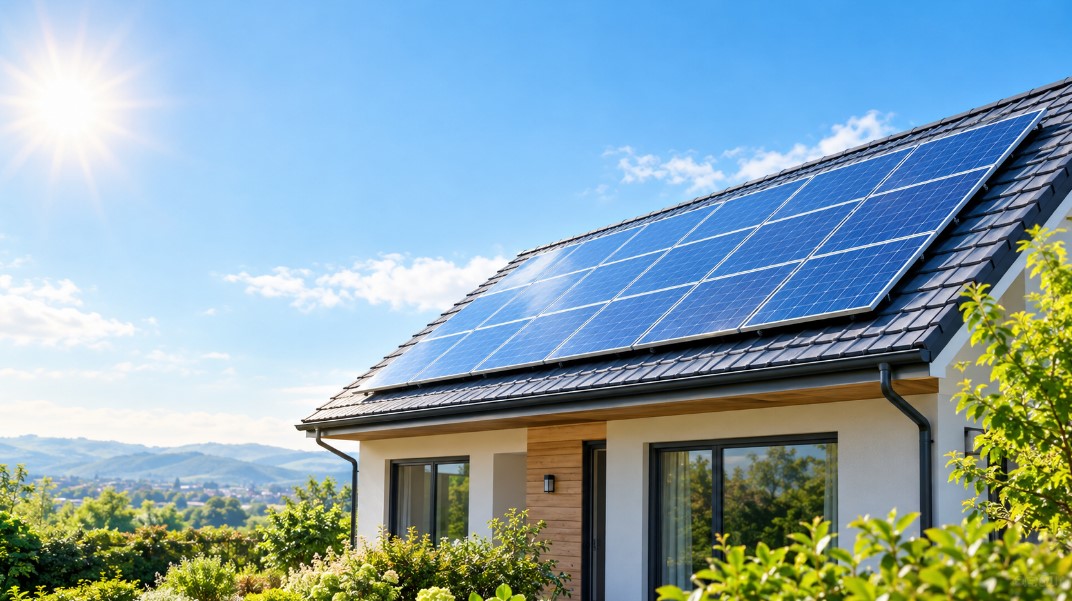
AI data centers require substantial electricity to operate computer servers, advanced processors, networking equipment, and cooling systems around the clock. As artificial intelligence and cloud computing continue to expand, electricity demand is changing across Colorado, creating a need for additional generation resources and power grid improvements. Although data centers are one contributor to growing demand, other factors also influence the state’s energy infrastructure. Energy Advantage Roofing & Solar helps Colorado homeowners understand changing energy trends and explore practical solutions for managing household electricity needs.
How Do AI Data Centers Use So Much Electricity?
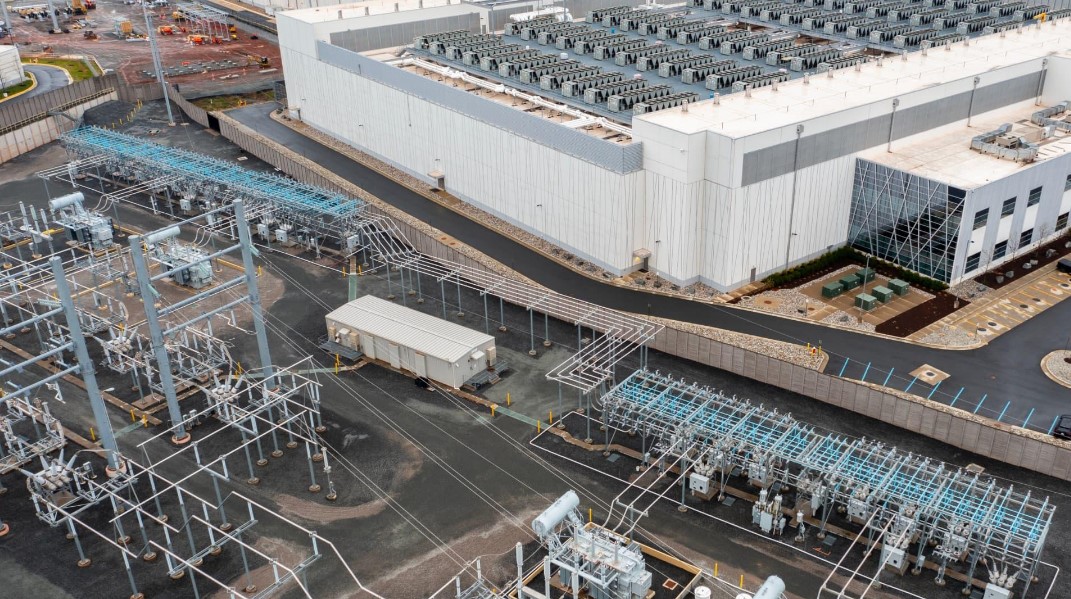
AI data centers are specialized facilities designed to process, store and manage enormous amounts of digital information. Unlike ordinary office buildings, these facilities operate large groups of powerful computers that often run continuously.
Artificial intelligence applications require significant computing resources, particularly when training AI models and responding to user requests. These activities rely on several interconnected systems that consume electricity.
AI Computing and Servers
Data centers use servers equipped with central processing units (CPUs) and graphics processing units (GPUs) to perform complex calculations. AI training and inference workloads can require substantial computing capacity, particularly when thousands of processors operate simultaneously.
Cooling Systems
Computers generate heat while processing information. Data centers use air conditioning, ventilation, liquid cooling or other cooling technologies to maintain appropriate operating temperatures. These systems add to the facility’s overall electricity consumption.
Networking and Storage Equipment
Data centers also require networking hardware, storage systems and communication equipment to transfer and manage information. These systems operate alongside computing equipment and contribute to continuous electricity demand.
Backup Power and Supporting Infrastructure
Facilities use backup generators, battery systems and electrical equipment to maintain operations during utility interruptions. Although backup generators do not necessarily run continuously, supporting infrastructure is essential to maintaining reliable operations.
The combination of computing, cooling, networking and supporting equipment makes electricity a major operating requirement for modern AI data centers.
Why Are AI Data Centers Increasing Electricity Demand in Colorado?
Colorado’s electricity demand is influenced by several developments, including population growth, commercial expansion, building electrification and increasing digital infrastructure.
AI data centers add another source of demand because they require large and often continuous electricity supplies.
Several developments contribute to this trend:
- Artificial intelligence growth: More businesses are adopting AI tools for research, automation, customer service and data processing.
- Cloud computing expansion: Businesses and individuals increasingly depend on online storage, software and digital services.
- Electric vehicle adoption: Charging infrastructure and residential EV charging add to electricity consumption.
- Building electrification: Heat pumps and electric appliances increase the amount of electricity used in homes and commercial buildings.
- Commercial development: New businesses, industrial facilities and expanding communities require additional power.
Data centers can create particularly challenging electricity requirements because their demand may remain high throughout the day and night.
However, it is important to distinguish between overall electricity demand growth and data center demand specifically. Colorado’s grid must support multiple types of customers, and infrastructure planning considers the combined requirements of these users.
Why Is Colorado Building More Power Infrastructure?
Colorado’s electricity infrastructure must continue evolving as electricity consumption changes. Existing power plants, transmission lines and distribution networks need sufficient capacity to deliver electricity reliably to homes, businesses and large industrial customers. Utilities are investing in different parts of the electricity system to support this transition.
As electricity demand continues to change, homeowners should also understand the factors affecting their utility bills. Read our guide on Colorado Electricity Rates 2026: What Homeowners Need to Know to learn more about changing electricity rates and what they mean for residential energy use.
Transmission Lines
Transmission lines transport electricity from generation facilities to substations and other parts of the grid. Expanding transmission capacity helps move electricity across longer distances and connect additional generation resources.
According to the project’s official description, it represents a $1.7 billion investment involving approximately 550 miles of new double-circuit transmission lines, four new substations and expansions to four existing substations. The project is designed to improve grid reliability and support renewable energy development across Colorado. Its construction is being completed in phases during 2026 and 2027.
This project should not be described as infrastructure built specifically for AI data centers. It serves broader grid and renewable energy objectives.
Electrical Substations
Substations help regulate voltage and direct electricity through distribution networks. They connect transmission systems with local electricity infrastructure and help deliver power to different customers.
When a large facility such as a data center connects to the grid, additional substation capacity or equipment upgrades may be necessary.
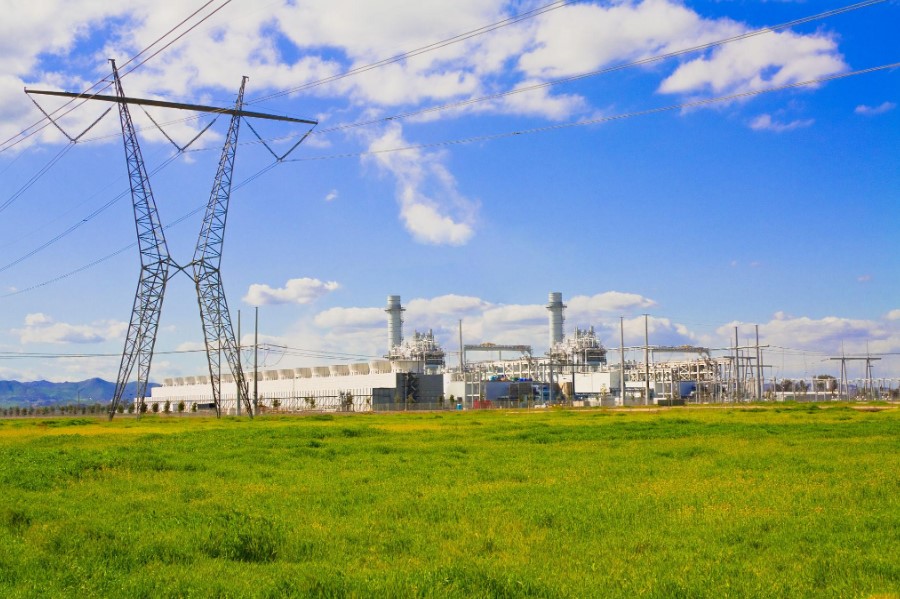
Power Generation Facilities
Electricity demand must be matched with available generation and other resources that support grid reliability.
Utilities evaluate different resources, including natural gas generation, wind, solar, energy storage and other available power sources, when planning for future electricity needs.
Distribution System Improvements
Electricity must also travel through local distribution networks before reaching individual properties.
Transformers, distribution lines, protective equipment and other components may require upgrades as communities and businesses increase their electricity consumption.
How Could AI Data Centers Affect Colorado Homeowners’ Electricity Bills?
One of the biggest concerns surrounding AI data center development is whether additional electricity demand could lead to higher utility bills for residential customers.
The potential connection involves the cost of supplying electricity and expanding the infrastructure needed to deliver it.
When a large data center connects to a utility network, additional investments may be required, including:
- New transmission lines to transport electricity.
- Substation upgrades to accommodate larger loads.
- Additional generation capacity to meet electricity requirements.
- Distribution improvements to support reliable power delivery.
- Grid management resources to handle changing demand.
These investments involve costs, but they do not automatically translate into higher residential electricity bills. The financial impact depends on how utilities recover infrastructure expenses, what large electricity customers are required to pay and how regulators review proposed utility investments.
For example, Xcel Energy’s April 2, 2026, proposal to the Colorado Public Utilities Commission included a Large Load Tariff designed to ensure that qualifying large electricity customers, including data centers, cover the costs of infrastructure and generation capacity needed to serve them. The proposal also included long-term contractual commitments intended to protect existing customers from subsidizing new large-load developments.
This distinction matters because the cost of expanding the electricity grid should not automatically be treated as a cost that residential customers must absorb.
Are Colorado Utilities Making Data Centers Pay for Their Own Infrastructure?
Colorado regulators and utilities are examining how large electricity customers should contribute to the infrastructure required to serve them. Xcel Energy’s proposed Large Load Tariff is an important example of this approach.
The proposal addresses large electricity users, generally those requiring 50 megawatts (MW) or more, with some customers using between 20 and 50 MW potentially subject to the tariff. Its provisions are intended to address costs associated with new transmission lines, substations, interconnection upgrades and electricity generation capacity.
The proposal is not the same as a finalized regulatory requirement. Its approval and effective terms must be checked through the Colorado PUC proceeding before publication.
Colorado lawmakers also considered Senate Bill 26-102, titled Large-Load Data Centers, during the 2026 legislative session. The bill proposed requirements involving infrastructure costs, renewable electricity, utility contracts, water management and reporting.
However, the bill was postponed indefinitely by the Senate Transportation and Energy Committee on May 11, 2026, and did not become law. Homeowners should not confuse its proposed requirements with current legal obligations.
These developments demonstrate why utility regulation is an important part of Colorado’s data center discussion. The goal is to accommodate new electricity demand while maintaining reliable service and fair cost allocation for existing customers.
What Is Colorado Doing to Improve Electricity Grid Reliability?
Colorado’s grid modernization efforts extend beyond data center development. Utilities must prepare for changing energy consumption, renewable electricity generation, population growth and the increasing electrification of homes and businesses.
Several approaches are helping address these requirements.
Expanding Transmission Capacity
Projects such as Colorado’s Power Pathway are designed to strengthen connections between electricity generation resources and communities that need power.
Supporting Renewable Energy
Additional transmission capacity can help move electricity generated by wind and solar facilities to customers across the state.
Modernizing Existing Equipment
Utilities can upgrade substations, transformers, distribution lines and other equipment to improve reliability and accommodate changing electricity requirements.
Planning for Future Demand
Utilities and regulators evaluate electricity forecasts, new customer connections and generation requirements to determine where additional investments may be necessary.
The Colorado Public Utilities Commission plays an important role in reviewing regulated utility plans, proposed rates and infrastructure investments. These reviews help determine how electricity providers can recover eligible costs while maintaining reliable service.
Can AI Data Center Growth Increase Electricity Costs Through 2030?
AI development could create additional electricity demand over the coming years, particularly as businesses expand computing capacity and adopt more advanced applications.
However, predicting the exact effect on Colorado electricity rates through 2030 requires more than estimating how many data centers may be constructed.
Several factors will influence the outcome:
- How quickly new data centers connect to the electricity grid.
- Whether sufficient generation capacity is available.
- How much transmission and distribution infrastructure requires expansion.
- Whether large electricity users pay the costs associated with serving them.
- How utility regulators approve infrastructure investments and rate adjustments.
- How much renewable generation and energy storage become available.
For homeowners, the important distinction is that increased electricity demand does not automatically mean an equivalent increase in residential electricity rates.
Utility rate changes also reflect other factors, including fuel costs, wildfire mitigation, infrastructure maintenance, financing expenses and general electricity system requirements.
Colorado’s approach to large electricity users and grid investment will therefore remain important as the state plans for future energy needs.
What Can Colorado Homeowners Do About Changing Electricity Costs?
Although homeowners cannot control AI development, data center construction or utility infrastructure investments, they can make practical decisions about how their properties use electricity.
Understanding household consumption is a useful first step.
Monitor Household Electricity Usage
Review monthly utility bills to identify changes in electricity consumption. Understanding when the home uses the most power can help homeowners identify opportunities to improve efficiency.
Improve Home Energy Efficiency
Insulation improvements, energy-efficient windows and properly maintained HVAC systems can help reduce unnecessary electricity consumption.
Consider Residential Solar Installation
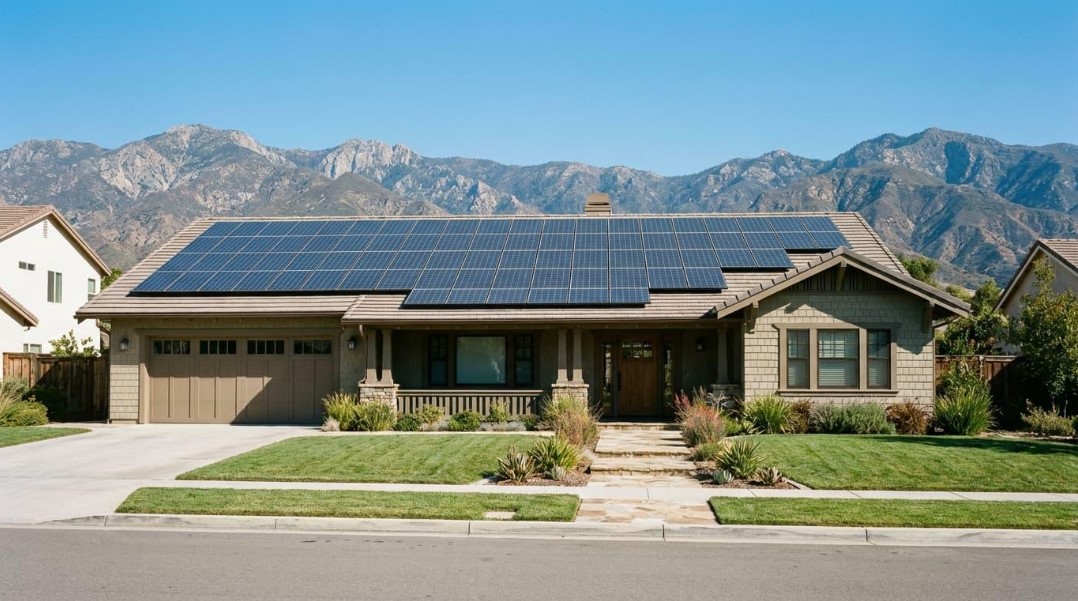
Solar panels allow homeowners to generate electricity directly from sunlight. A properly designed system can offset some of the electricity otherwise purchased from the utility grid.
Homeowners can explore residential solar installation in Colorado to understand how roof conditions, household consumption and solar production influence system design.
Explore Battery Storage
Battery systems store excess solar electricity for later use. This can increase the amount of self-generated electricity used at home and provide backup power when configured appropriately.
Evaluate Long-Term Energy Needs
Homeowners planning to purchase electric vehicles, install heat pumps or add electrical appliances should consider how these changes could affect future electricity consumption.
These steps do not eliminate exposure to utility rate changes, but they can help homeowners make more informed energy decisions.
How Energy Advantage Roofing & Solar Helps Colorado Homeowners Explore Energy Solutions
As Colorado’s electricity requirements continue changing, homeowners may benefit from understanding the options available for managing their household energy consumption.
Energy Advantage Roofing & Solar helps Colorado property owners explore residential solar, roofing and battery storage solutions based on their individual property requirements.
Its services include:
- Residential solar panel installation.
- Custom solar system design.
- Roofing inspections and replacement.
- Solar and roofing integration.
- Battery storage installation.
- Solar maintenance and system monitoring.
A professional evaluation can help homeowners understand whether their roof is suitable for solar, how much electricity their system could potentially generate and whether battery storage would support their household energy goals.
Homeowners can also explore battery storage solutions to learn how stored solar electricity can support everyday energy use and backup power requirements.
The goal is to help homeowners identify practical improvements without making assumptions about guaranteed savings or future utility rates.
Preparing Colorado Homes for a Changing Energy Future
AI data centers are becoming an increasingly important part of the electricity conversation as artificial intelligence and digital services expand. Their growing power requirements are encouraging utilities to evaluate generation capacity, transmission networks, substations and other infrastructure improvements across Colorado.
However, data centers are not the only reason electricity infrastructure is expanding, and their development does not automatically mean residential customers will face higher utility bills. Regulatory oversight and fair infrastructure cost allocation remain important parts of the discussion.
While homeowners cannot control how quickly AI technology develops or how utilities plan their grids, they can make decisions about household electricity consumption, energy efficiency and on-site power generation.
Explore Energy Solutions for Your Colorado Home. Contact Energy Advantage Roofing & Solar to discuss residential solar, roofing and battery storage options that align with your property’s energy needs.
Frequently Asked Questions
1. Why do AI data centers consume so much electricity?
AI data centers use powerful processors and computer servers to train and operate artificial intelligence systems. These facilities also require electricity for cooling, networking, storage, and other equipment.
2. Are AI data centers increasing electricity demand in Colorado?
AI data centers can contribute to higher electricity demand as more computing facilities are developed. However, population growth, commercial development, electric vehicles, and building electrification also influence Colorado’s overall electricity consumption.
3. Can AI data centers increase electricity bills for Colorado homeowners?
They may contribute to additional demand for electricity generation and grid infrastructure. The effect on residential bills depends on utility planning, infrastructure costs, regulatory decisions, and how expenses are allocated among customers.
4. Why is Colorado building more electricity infrastructure?
Colorado needs reliable infrastructure to support changing electricity demand, connect generation resources, improve transmission capacity, and maintain the power grid. New transmission lines, substations, and equipment upgrades support these objectives.
5. Do AI data centers have to pay for their own electricity infrastructure?
Utility policies and regulatory requirements determine how infrastructure expenses are allocated. Colorado has considered proposals addressing the costs associated with large electricity users, but the applicable requirements depend on the status of specific proceedings and regulations.
6. Can homeowners reduce their reliance on the electricity grid?
Homeowners can explore energy-efficient appliances, improved insulation, residential solar panels, and battery storage. These options may help reduce purchased electricity or provide greater control over household energy use.